


 Deutsch
 English
 Español
 Français
 Nederlands
 Português


 Share





France protests erupted for a third consecutive weekend on Saturday, October 31, 2026, as Halloween demonstrations turned violent in Paris, Lyon and Marseille. French authorities reported more than 300,000 participants nationwide, while organisers claimed nearly half a million. In Germany, youth-led Gen Z protests drew thousands in over 30 cities, with police deploying water cannon in Cologne.
What is behind the France protests?
The demonstrations bring together students, schoolchildren and France's yellow vest protest movement over rising living costs, police violence, inadequate school facilities and racism. The immediate trigger was the racist terrorist attack in Trappes, a Paris suburb, on October 23, 2026, in which a gunman killed one person and wounded at least five, including a 12-year-old girl. President Emmanuel Macron called it a 'racist terrorist attack'.
Halloween riots in Paris: what happened on October 31?
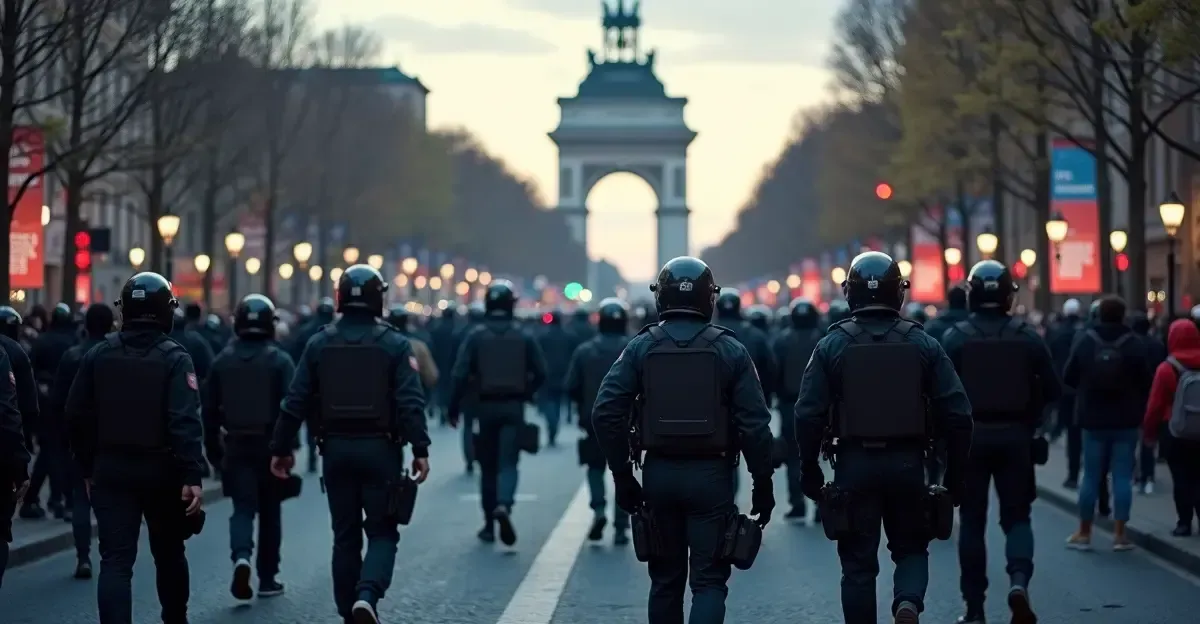
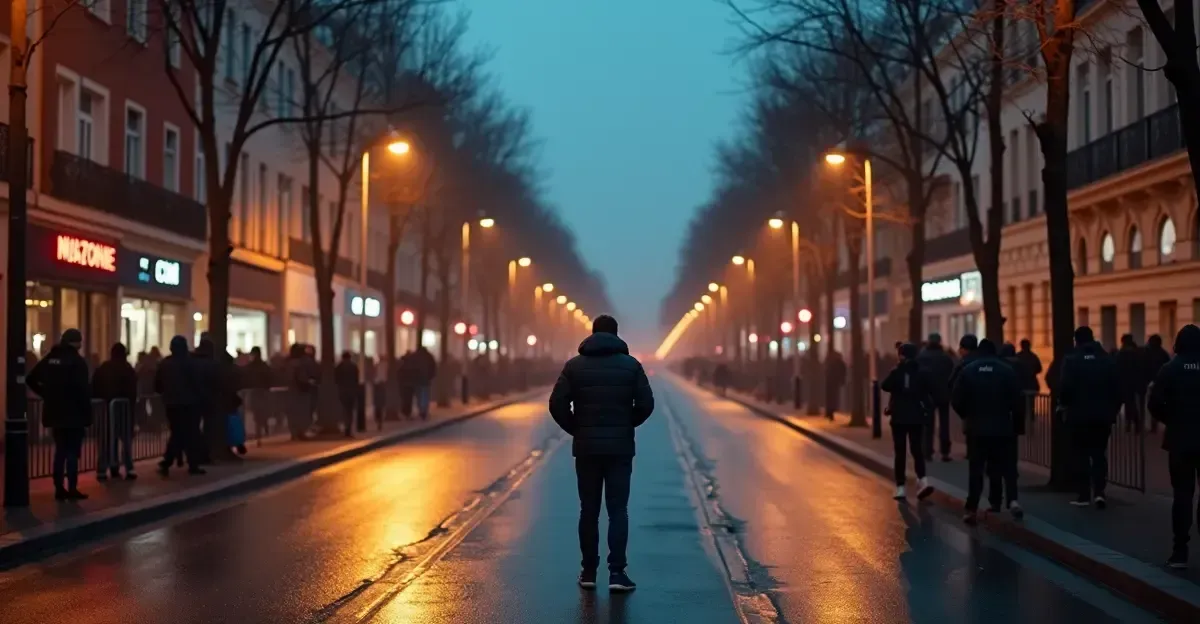
Paris saw the largest demonstration, with police estimating about 70,000 people. A central march had been banned in advance, forcing protesters onto an alternative route through the suburbs, and dozens of metro stations were closed. Around 70,000 police officers and gendarmes were deployed nationwide, according to RFI.
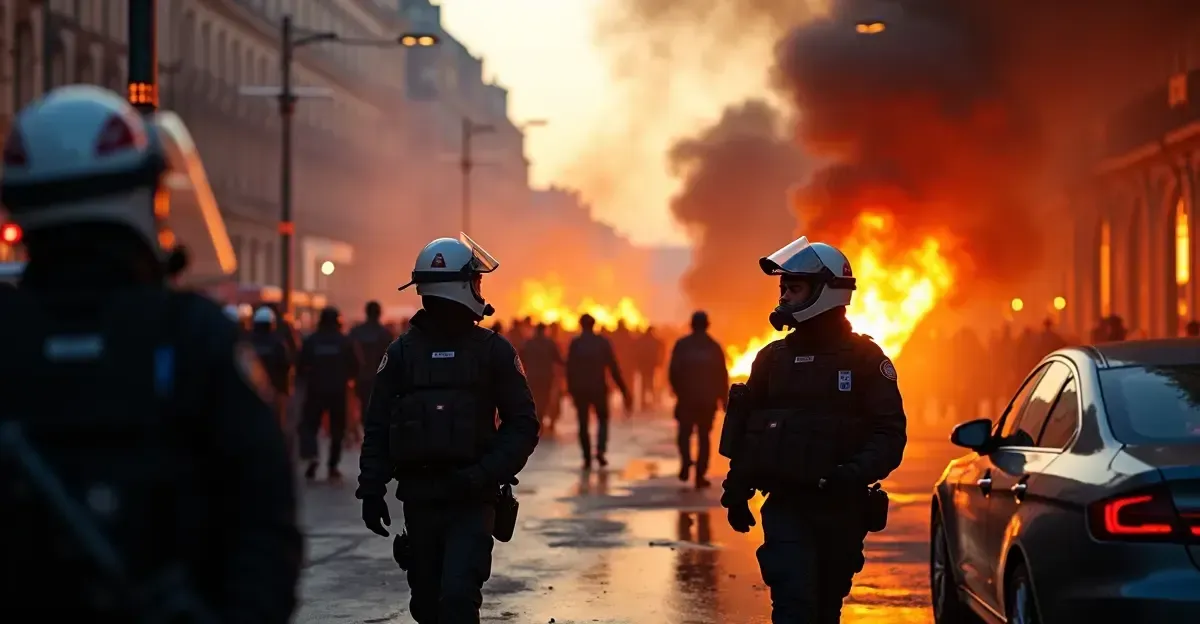
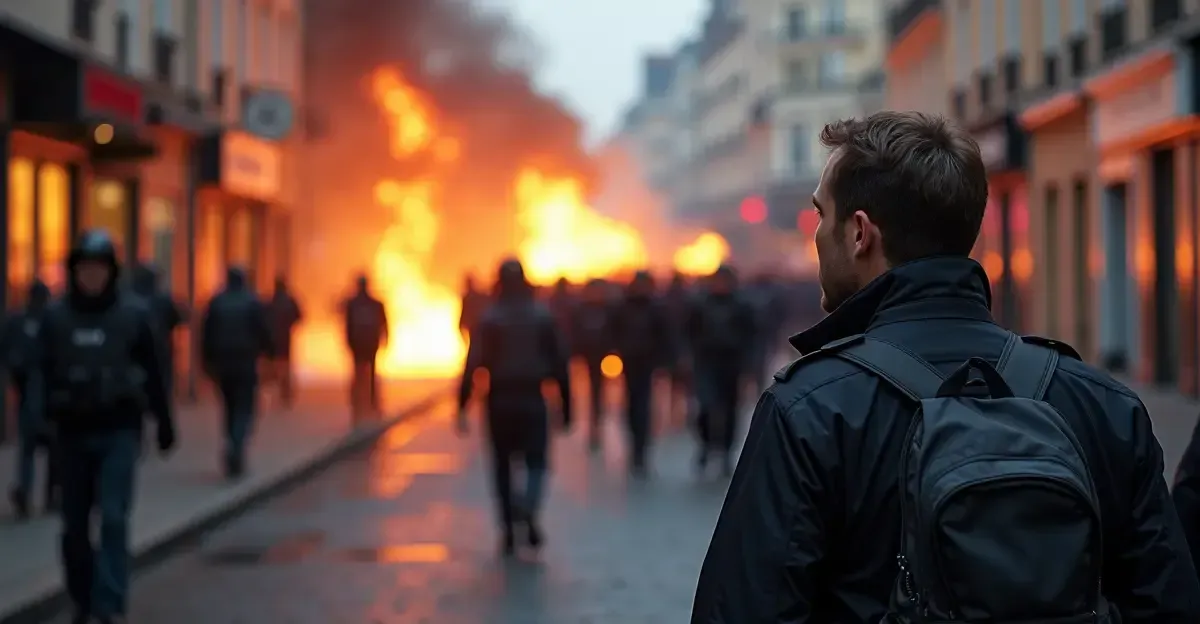
In the afternoon the official marches were largely peaceful, but tensions escalated in the evening. In parts of Paris, masked people dressed in black pelted officers, and police used tear gas in the capital as well as Lyon and Marseille. French authorities reported at least 290 arrests. Interior Minister Laurent Nuñez had warned of a 'very high risk of public disorder' and promised an 'extremely firm response'.
Germany's Gen Z protests spread
Across Germany, the non-partisan movement Europe's Gen Z protest wave known as 'Gen Z regelt' organised demonstrations in at least 30 cities on Halloween. Police counted about 5,000 people in Berlin and several thousand in Cologne, with further marches in Frankfurt, Hamburg and Munich. In Cologne, officers used water cannon after a group tried to reach the city centre following the march, German broadcaster WDR reported. Berlin saw bottles and eggs thrown, while Hamburg had barricades set alight.
German protesters opposed the high cost of living, underfunded schools, spending cuts and increased military spending, and they reject a new voluntary service model that some fear could lead to conscription. Organisers have said the movement is 'against all violence', but police prepared for possible radical infiltration.
France vs Germany: October 31 protests at a glance
- France: more than 300,000 participants, about 70,000 police, at least 290 arrests, tear gas in Paris, Lyon and Marseille
- Germany: more than 30 cities, about 5,000 in Berlin, water cannon in Cologne, youth-led Gen Z movement
- Shared demands: cost of living action, better school funding, opposition to police violence and racism, and in Germany, anti-conscription
Why these protests matter ahead of France's 2027 election
The unrest comes about six months before France's presidential election, with far-right candidate Marine Le Pen leading early polls. The previous weekend's protests on October 24 drew around 410,000 people, and earlier riots caused hundreds of millions of euros in damage and 1,314 arrests. The wave of rising cost of living crisis protests now spreading to Germany and Italy suggests youth discontent is becoming a wider European political issue. In the Netherlands, at least 10 people were arrested around the Malieveld in The Hague for wearing face coverings or carrying fireworks, but no large-scale protests took place.
Frequently asked questions
What triggered the protests in France on October 31, 2026?
The immediate trigger was the October 23 racist terrorist attack in Trappes, near Paris, which killed one person and wounded several others. The protests also reflect longer-standing anger over living costs, police violence and school conditions.
How many people protested in France and Germany?
French authorities counted more than 300,000 demonstrators, including about 70,000 in Paris; organisers claimed nearly 500,000. In Germany, police estimated around 5,000 in Berlin and several thousand in Cologne, with rallies in more than 30 cities.
Why did police use tear gas and water cannons?
Police used tear gas in Paris, Lyon and Marseille after masked demonstrators threw projectiles at officers. In Cologne, water cannon was deployed when protesters tried to reach the city centre after a march.
Were the Halloween protests peaceful?
Most official marches were peaceful during the day, but violence broke out in the evening in several French cities and parts of Germany, leading to hundreds of arrests.
What are the protesters' main demands?
Protesters are demanding action on the rising cost of living, better school funding and facilities, an end to police violence and racism, and in Germany, opposition to military conscription and austerity cuts.
Follow Discussion